Home / Sketchbook / Choosing watercolour paper
Stop 2: yellow ochre
What weight of watercolour paper should a beginner buy?
Buy 300 gsm (140 lb), cold pressed, in a block or a stiff-backed sketchbook. Everything below explains why, and when you might want something else.
The editors, 9 July 2026. About 5 minutes.
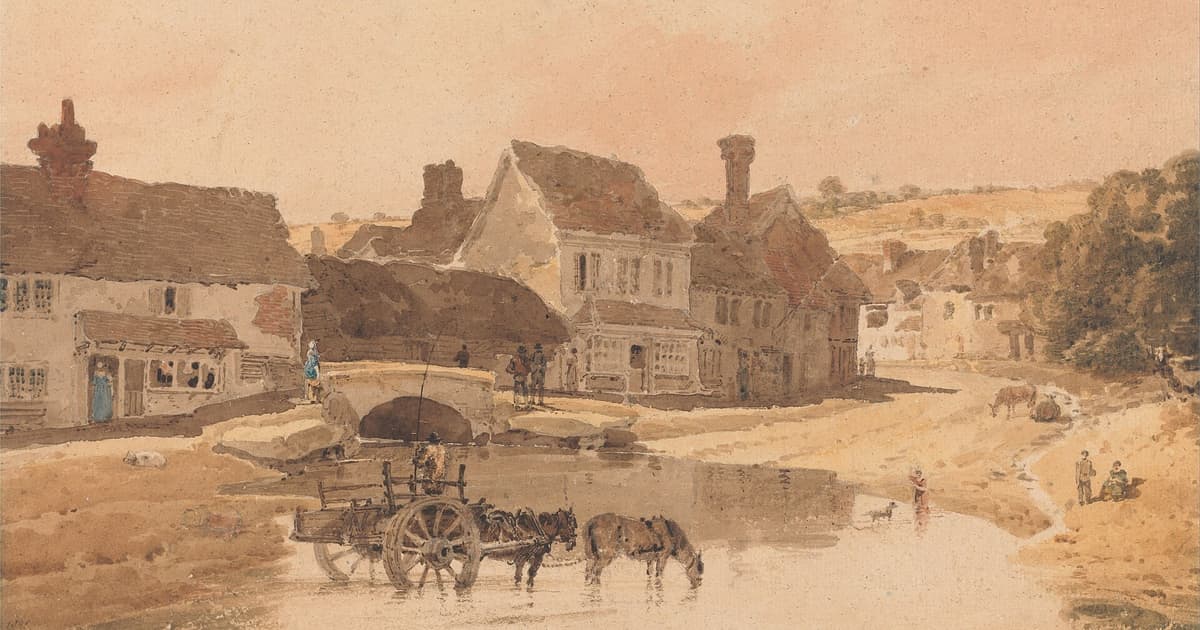
For sketching outdoors, the safe first purchase is 300 gsm paper with a cold pressed surface (also sold as "NOT"). It takes a proper wash without collapsing, the slight tooth is forgiving, and it comes in the blocks and sketchbooks that suit working on your knee. If you are watching the pennies, a cellulose paper at that weight is fine for practice. Cotton is the upgrade to make once you are doing several layers on one sheet.
The reason paper matters so much is built into the medium. Watercolour is semi-transparent, and as Tate's definition puts it, the white of the paper shows through and gives washes their glow. In other words, the sheet is doing part of the painting. A poor one lets you down in a way no paint can repair.
What the numbers mean
Grams per square metre (gsm) measures how heavy a sheet is for its area, so the higher the number, the thicker and sturdier the paper. You will also see an older figure in pounds on some packaging. The two are not converted by any sum you would want to do in a shop, so it helps to remember the three common pairs. Winsor & Newton's guide to stretching uses 190 gsm for 90 lb and 640 gsm for 300 lb, and the everyday middle weight of 300 gsm is sold as 140 lb.
Hahnemühle's paper guide sorts them in a helpful way. From 200 to 290 gsm it suggests sketches, practice, dry techniques and watercolour pencils. It calls 290 to 300 gsm "reliable all-rounders" within a medium band that suits most techniques. At 400 gsm and up, it points to a lot of water, many layers and experimental work, where the sheet stays more stable.
Which surface suits a landscape?
Watercolour paper comes in three textures. They affect how a stroke breaks up, and so how a sky or a field will read.
- Hot pressed
- Smooth. Colour sits bright and detail stays fine, which is why botanical and illustration painters like it. Washes can dry with hard edges, and that can feel unforgiving in the wind.
- Cold pressed, or NOT
- Lightly textured and matt. It suits most subjects and takes both wet-in-wet and dry-brush work. Start here.
- Rough
- Strongly textured, so that the grain becomes part of the picture. Hahnemühle recommends it for landscapes, skies and loose styles, because it brings out granulation. A dragged stroke across rough paper makes a very believable sparkle on water.
Try rough once you have a feel for cold pressed. Its broken stroke is a pleasure, but it is less helpful while you are still learning what your brush does.
Cotton or cellulose?
Cotton paper absorbs water and pigment evenly, which helps when you glaze one layer over another or scrub back a mistake. It costs more. Cellulose, made from wood pulp, is the more affordable option, and Hahnemühle's own guide treats it as a fair choice for beginners, studies and everyday work.
Here is a good test of whether the extra cost means anything to you yet. Buy a small pad of each. Paint the same wash on both: a graded sky, one layer dried, then a second glazed over part of it. If you cannot see a difference, stay with cellulose and fill more pages. If the cotton sheet makes you noticeably happier, you have your answer, and you have it from your own hand.
Block, pad or sketchbook for outdoors?
A block is a stack of sheets glued around the edges, usually with a small gap left for a blunt knife. It needs no board and holds itself reasonably flat as it dries, so it is the natural choice for field work. A spiral or stitched sketchbook has the charm of keeping everything together, and it stops you treating each page as an event. Loose sheets are cheapest, but you will need a board and clips, and that adds weight to the bag described in our outdoor kit list.
Do you need to stretch it?
Stretching means soaking a sheet, taping it wet to a board and letting it shrink flat, so it stays taut under later washes. Winsor & Newton's guide sets out the method: lighter 190 gsm paper soaks for four to five minutes and heavy 640 gsm for 15 to 20, the edges are fixed with traditional gummed paper tape, and the board then dries flat.
Outdoors, you will almost never need to do this on the day. It is a job for the kitchen the evening before, and only worth the bother for lighter papers or big, very wet sheets. For a small sketch on a 300 gsm block, some gentle cockling is normal and often flattens under a stack of books at home. Heavier paper buckles less, which is why many people pay for 640 gsm so that they can skip stretching altogether, though at that weight a block gets noticeably heavy.
A simple way to spend your first paper budget
- One 300 gsm cold pressed block or sketchbook, A5 or a little larger, to carry with you.
- A cheap pad of lighter paper at home for colour charts, like the ones in our guide to mixing greens, and for practice washes.
- Later, a single sheet of cotton rough, cut into quarters, for trying out the pale layered hills of a distant view.
Small sizes matter more than people expect. A5 pages get finished, and a finished page teaches you more than a half-done A3. In the painting above, the warm tone of the sheet glows through thin washes across the whole sky. The same principle holds on any good paper: leave some of it showing, and it will do a lot of your work for you.