A field sketchbook for new landscape painters
Take a small box of paint for a walk.
Umber Path is an independent magazine about sketching and watercolour outdoors. We write for people who have just bought their first paints, covering the materials, the colour and the composition, with the fuss left out.
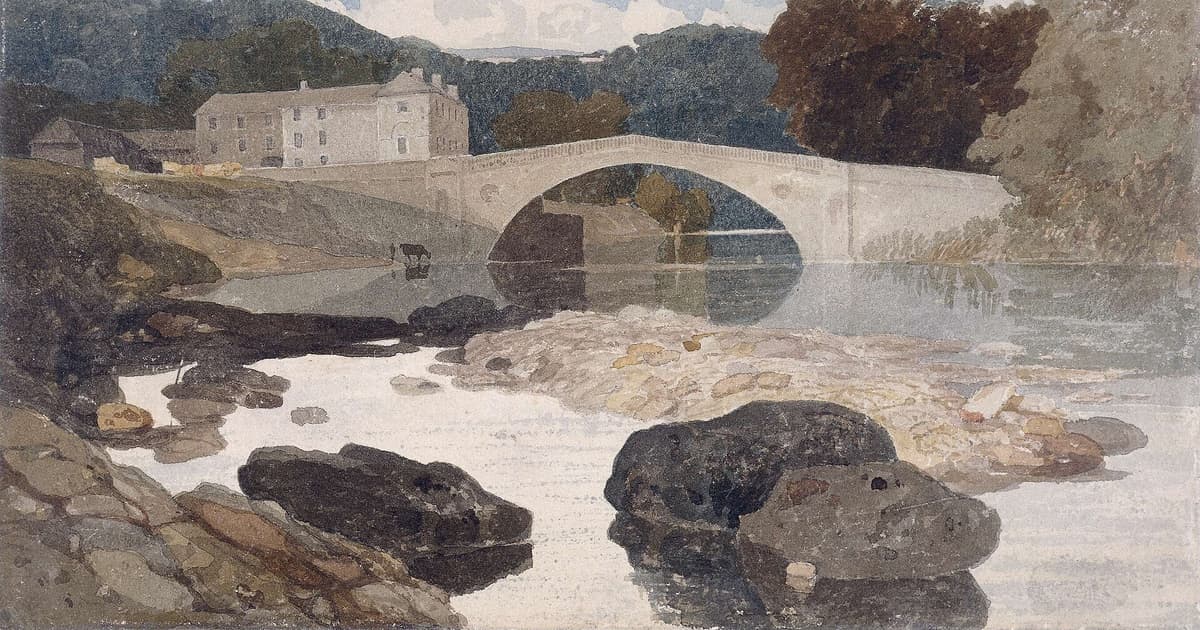
The path, stop by stop
Six pieces, in the order you will need them: from packing the bag to choosing where to sit. Each is named after a pigment, because every one of them ends up on the page eventually.
Stop 1: raw umber
What do you actually need to start watercolour sketching outdoors?
Six colours, one brush, a block of paper. What goes in the bag and what stays at home.
Stop 2: yellow ochre
What weight of watercolour paper should a beginner buy?
The gsm numbers decoded, plus surfaces, cotton and the question of stretching.
Stop 3: sap green
How do you mix natural greens for landscape watercolour?
Blue, yellow and a third colour to calm them down. Recipes, plus a chart to paint.
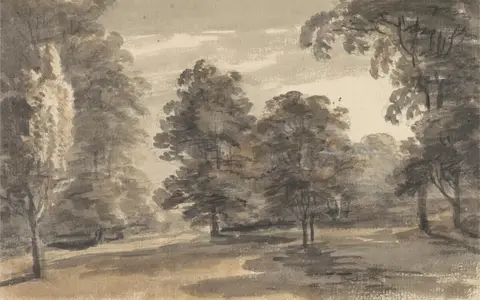
Stop 4: sepia
How do you plan a landscape with thumbnail sketches?
A ten-minute routine that makes the big decisions before you touch the paint.
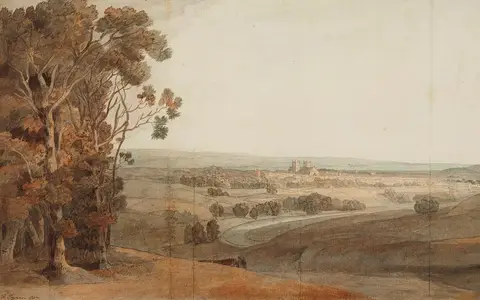
Stop 5: ultramarine
Why do distant hills look blue, and how do you paint them?
Why far ridges fade, and four dials to turn when you paint them, back to front.
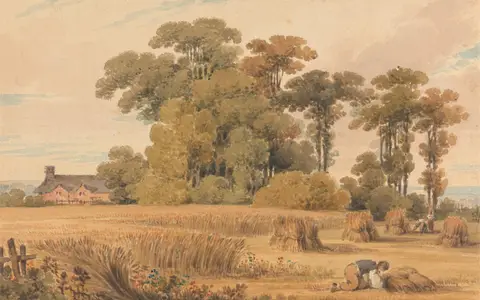
Stop 6: burnt sienna
Can you sit and sketch anywhere in the UK countryside?
Rights of way, access land and private fields across the four nations, for painters.
One to try on Saturday
A green for hedges
Mix ultramarine and yellow ochre, heavy on the blue. Add a speck of burnt sienna and watch the colour go quiet. It looks too dull in the pan, then right on the hillside. There are more recipes in our guide to natural greens.